Wimbledon Common wedding flowers local supplier guide
Posted on 04/10/2026
Planning wedding flowers around Wimbledon Common sounds simple until you start juggling venue access, bouquet styles, delivery windows, weather, and a dozen little details that suddenly feel quite big. This Wimbledon Common wedding flowers local supplier guide is here to make that easier. Whether you are choosing bridal bouquets, buttonholes, ceremony arrangements, or reception centrepieces, the right local supplier can save time, reduce stress, and make the whole day feel far more seamless.
There is something lovely about working with a florist who understands the area. Wimbledon Common has its own pace, its own greenery, and its own practical quirks. A supplier who knows the local roads, nearby venues, and typical wedding timings can help you avoid last-minute panic. And let's face it, nobody wants to be chasing a missing vase while guests are arriving.
Below, you will find a clear, useful guide to what matters, how to plan, what to ask, and how to choose wedding flowers that actually suit your day rather than just looking nice in a brochure.
Table of Contents
- Why Wimbledon Common wedding flowers local supplier guide Matters
- How Wimbledon Common wedding flowers local supplier guide Works
- Key Benefits and Practical Advantages
- Who This Is For and When It Makes Sense
- Step-by-Step Guidance
- Expert Tips for Better Results
- Common Mistakes to Avoid
- Tools, Resources and Recommendations
- Law, Compliance, Standards, or Best Practice
- Options, Methods, or Comparison Table
- Case Study or Real-World Example
- Practical Checklist
- Conclusion
- Frequently Asked Questions
Why Wimbledon Common wedding flowers local supplier guide Matters
Wedding flowers do more than decorate a space. They shape the tone of the day. A simple bouquet can feel elegant and restrained; a fuller arrangement can make a room feel warm, lush, and celebratory. Around Wimbledon Common, where many couples want a natural, classic, slightly romantic look, flowers often become one of the most visible parts of the styling.
What makes a local supplier especially important is practicality. A florist based nearby is usually better placed to understand delivery timing, parking constraints, and the sort of setup that works in real life, not just on a Pinterest board. If your ceremony is early, your reception is in a different location, or you need flowers delivered before 10am, local knowledge matters. Quite a lot, actually.
There is also the trust factor. When you can speak to someone who knows the area and regularly handles weddings in and around southwest London, it becomes easier to plan with confidence. You are not just buying flowers. You are buying calm, reliability, and a better chance that the blooms arrive looking fresh rather than slightly battle-worn.
For couples comparing options, a helpful starting point is to look at dedicated wedding ranges such as wedding flowers and more specific items like bridal bouquets or buttonholes. That gives you a clearer sense of style, scale, and what can be matched across the whole wedding party.
How Wimbledon Common wedding flowers local supplier guide Works
At a practical level, the process usually starts with the couple deciding three things: the mood, the budget, and the logistics. Those three shape almost everything else. Do you want soft and romantic? Bright and contemporary? Timeless white and green? Once that is clear, the florist can suggest suitable flowers, mechanics, and seasonal alternatives.
A local supplier will normally guide you through a few stages. First comes the brief. Then the florist will talk through flower types, colour palette, and what needs to be made for the ceremony, bridal party, and reception. After that, they will confirm quantities and timing, then prepare the arrangements for delivery or collection. Simple in theory. Slightly more complex in practice, especially once tables, corsages, and buttonholes are added into the mix.
For Wimbledon Common weddings, it is wise to think about the venue setting too. Outdoor or semi-outdoor spaces may need sturdier flowers, tighter conditioning, and arrangements that cope better with wind or warm weather. If you are heading into London traffic on a summer Saturday, build in a bit of breathing room. A local florist who is used to that rhythm will usually advise on it without fuss.
Many couples also browse broader style categories to narrow their choices. For example, you may start with a general floral mood, then move into something like luxury flowers or a more understated option such as florist choice. Both approaches can work well, depending on how much direction you want to give.
Key Benefits and Practical Advantages
Using a local supplier for Wimbledon Common wedding flowers gives you more than convenience. It can improve the whole experience in ways that are easy to underestimate at first.
- Better timing: local delivery is easier to coordinate with venue access and supplier schedules.
- Improved freshness: shorter travel usually means flowers arrive in better condition.
- More responsive service: if something changes, a local florist is often easier to reach.
- Area awareness: nearby suppliers are more likely to understand venue rules and common access issues.
- Consistent styling: they can match bridal bouquets, bridesmaid bouquets, buttonholes, and table arrangements with less guesswork.
There is also a quieter benefit: peace of mind. You may not notice it on paper, but you feel it on the morning of the wedding when the flowers turn up properly prepared, look exactly as discussed, and do not require a mid-day rescue mission.
From a style perspective, local florists can usually help you lean into what works best for the season. Spring weddings often suit delicate stems and lighter colour palettes. Summer can handle fuller, more generous arrangements. Autumn often works beautifully with warmer tones and richer textures. It sounds obvious, but people still fall in love with flowers that are fighting the weather. We have all seen that happen.
If you are comparing options, product pages such as table arrangements, bridesmaid bouquets, and wedding corsages can help you map out the full floral picture rather than choosing each item in isolation.
Who This Is For and When It Makes Sense
This guide is useful for couples at several different stages of planning. You may already have a venue and need the flowers to fit around it. Or you may only have a rough idea and want help building something coherent from scratch. Both are common, and both are completely workable.
It is especially helpful if:
- you are getting married near Wimbledon Common or in a nearby southwest London venue;
- you want a florist who can manage delivery and setup locally;
- you need a bouquet, buttonholes, and table flowers that all feel coordinated;
- you prefer a personal service rather than a generic online checkout experience;
- you are trying to keep the wedding elegant without overbuying flowers you do not need.
It also makes sense if you are planning under time pressure. Truth be told, plenty of weddings happen with less lead time than people expect. If that is you, a local supplier may be able to offer quicker coordination and more practical options than a distant florist working from a postcode away.
For smaller weddings, you might only need a bridal bouquet, a few buttonholes, and one or two statement arrangements. For larger celebrations, you may need ceremony florals, aisle details, reception centrepieces, and extra flowers for family members. The more moving parts you have, the more helpful a local florist becomes.
Step-by-Step Guidance
1. Decide the overall look first
Start with the style, not the individual stems. That is the best way to keep your choices coherent. Romantic, minimal, classic, modern, seasonal, garden-style, structured. Pick the mood first and the flowers second.
If you begin with the bouquet and build from there, you are less likely to end up with a reception design that feels disconnected. It happens more often than couples expect.
2. List the essentials
Make a simple list of what you actually need. For example:
- bridal bouquet
- bridesmaid bouquets
- buttonholes
- corsages
- ceremony flowers
- table arrangements
- flower petals or aisle detail
This step sounds basic, but it stops you drifting into unnecessary extras. And no, you do not need every table to shout for attention. Some rooms look better with restraint.
3. Check delivery and setup logistics
Ask how flowers will arrive, who will place them, and what happens if your ceremony and reception are at different locations. If your venue has limited parking or timed access, say so early. A good florist will want that information, not as an inconvenience, but as a way to avoid awkward surprises.
4. Ask about seasonal substitutions
Seasonal flexibility is one of the easiest ways to keep quality high. A local supplier can often suggest alternatives that preserve the look without forcing a stem that is not at its best. For example, if a particular rose variety is not ideal at the time, the florist may recommend a bloom with a similar shape or colour.
5. Confirm the finishing details
Details matter more than people think. Ribbon colour. Vase size. Placement of the bridal bouquet handle. Pins for buttonholes. Water sources for arrangements. These are tiny things until the morning of the wedding, when they are suddenly not tiny at all.
6. Review once, then leave room for the florist's judgement
Yes, you should be precise. But if you hire a professional, let them do what they do best. A good florist will know how to balance texture, scale, and longevity. Sometimes the best result comes from trusting the person who has seen a hundred bouquets survive transport and a hundred more not survive quite so gracefully.
Expert Tips for Better Results
Here is the bit that saves money, stress, and a few headaches.
- Choose a few hero flowers. Do not try to make every stem do everything.
- Match flowers to the venue light. Soft pastel blooms can disappear in a large bright space, while stronger tones may read better in photos.
- Think about weather before choosing delicate blooms. This matters especially for summer ceremonies outdoors or in conservatories.
- Ask for a sample style description. Even if the florist does not offer a full mock-up, a clear written brief helps.
- Keep buttonholes simple. They need to sit neatly on suits and last the day.
- Use flowers with different roles. Some blooms carry the visual focus, others support the shape and texture.
A small but useful insight: wedding flowers do not need to be overloaded to feel special. One well-designed bouquet can carry more emotional weight than five overcomplicated arrangements. The scent when you open the box in the morning, the colour against a dress, the way the table flowers catch the light at dusk - that is where the magic is. Not in quantity.
If you want to explore styles that work especially well for weddings, look at collections like white wedding collections, romantic wedding collections, or everlasting wedding collections. Those ranges can help you see the overall visual language before you commit.
Common Mistakes to Avoid
Most flower problems are preventable. The trick is spotting the traps early.
- Leaving decisions too late: popular wedding dates book up quickly, and florists need time to source well.
- Choosing flowers without thinking about transport: some arrangements are beautiful but awkward to move.
- Ignoring venue restrictions: candles, water containers, and installation rules can all matter.
- Mixing too many styles: a little variety is lovely; too much becomes messy.
- Forgetting the smaller items: buttonholes, corsages, and table pieces are easy to overlook.
- Not discussing budget openly: honest conversation is better than vague optimism.
Another common issue is assuming the same flower behaves the same way in every season. It does not. Summer peonies and winter arrangements are not a simple swap, and not every stem is equally available or durable year-round. A local florist will usually be able to explain that without making it a drama.
And yes, someone always remembers the buttonholes the night before. Always.
Tools, Resources and Recommendations
You do not need special software to plan wedding flowers, but a few simple tools help a lot:
- Mood board: save images of bouquets, tables, and ceremony spaces that feel consistent.
- Guest and table list: useful for estimating reception arrangements.
- Venue floor plan: helps the florist understand where flowers will actually sit.
- Colour reference: swatches or fabric samples are better than vague descriptions.
- Timing sheet: note delivery windows, ceremony time, and any venue changeovers.
As for supplier recommendations, the most useful pages are often the ones that let you compare specific wedding pieces. For example, you can explore bridal bouquets, table arrangements, and buttonholes to build a balanced order. If you are planning for bridesmaids, the matching bridesmaid bouquets page is useful too.
For couples who want a simpler route, florists' choice options can be a smart move. You still set the tone, but the supplier has room to use the freshest stems available. That tends to work well when you care about outcome more than micromanaging every bloom. Fair enough, really.
Law, Compliance, Standards, or Best Practice
Wedding flowers are not heavily regulated in the way some services are, but best practice still matters. A professional florist should handle products safely, keep arrangements in reasonable condition for delivery, and be clear about what is included in the service. If a venue has its own requirements for setup, access, or removals, those should be followed carefully.
It is also sensible to check cancellation terms, payment terms, and refund expectations before confirming an order. These details vary by supplier, and in a wedding context they are especially worth reading properly rather than skimming in a hurry the night before your deposit is due.
On the product side, ask about flower handling, conditioning, and the care instructions for keeping arrangements fresh on the day. A reliable florist should be happy to explain how long bouquets should stay in water, how to store them before the ceremony, and what to do if the weather is warm.
For couples who care about sourcing, sustainability is worth discussing too. You may not need a formal policy to make a thoughtful choice, but you can ask whether the florist uses seasonal stems, reduces waste, or recommends reusable containers where practical. You can also read more about the company's general approach through its sustainability page.
Options, Methods, or Comparison Table
Different couples need different approaches. Here is a simple comparison to help you decide what suits your day best.
| Approach | Best for | Advantages | Trade-offs |
|---|---|---|---|
| Fully bespoke wedding flowers | Couples with a clear vision and specific colour palette | Highly tailored, cohesive, memorable | Usually needs more planning time and a firmer budget |
| Florist choice / guided selection | Couples who want expert input without over-designing every detail | Flexible, often fresher seasonal selection, less decision fatigue | Less control over exact stem choice |
| Simple essential package | Small weddings or practical budgets | Focused, elegant, easier to coordinate | Less decorative impact across larger spaces |
| Statement floral styling | Couples prioritising ceremony visuals and photos | Striking impact, strong visual identity | Can become expensive if spread across every area |
For many Wimbledon Common weddings, the sweet spot sits between bespoke and simple. You want enough detail to feel special, but not so much that the flowers start dominating the budget. That middle ground is where a good local supplier really earns their keep.
Case Study or Real-World Example
Here is a realistic example based on a common planning pattern. A couple is marrying near Wimbledon Common in late spring. They want a soft palette with white, blush, and green, and they have a ceremony in one location followed by a reception elsewhere. Nothing wild. Just elegant and calm.
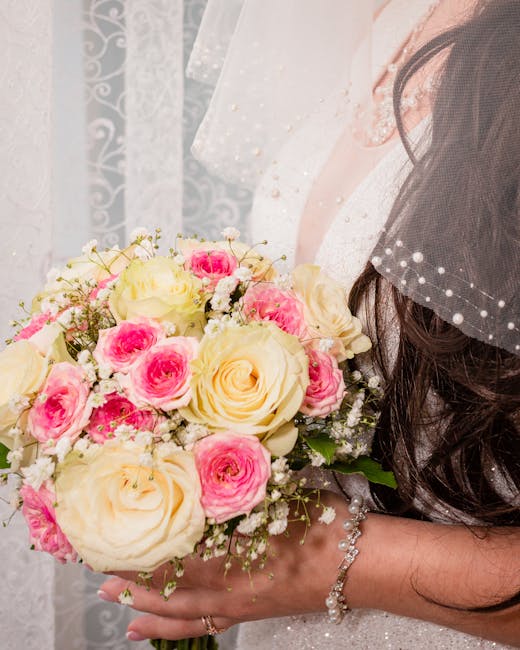
They choose a bridal bouquet, two bridesmaid bouquets, four buttonholes, one corsage, and table arrangements for the reception. Because the florist knows the area, delivery is timed around the route between venues, with enough buffer for traffic. The couple also opts for a mix of classic roses and lighter accent flowers so the arrangements feel full without becoming heavy.
On the day, the bouquet is ready early, the buttonholes are neat, and the table flowers arrive in a style that suits the room rather than fighting it. The couple does not have to think about chasing a driver or explaining venue access for the third time. That alone makes the morning feel easier. And, frankly, that matters more than people admit when they are planning.
A similar approach works for autumn and winter weddings too. The details change, but the principle stays the same: match the flowers to the season, the space, and the logistics. Simple. Not always easy, but simple.
Practical Checklist
Use this checklist before you confirm your wedding flowers.
- Have you decided on your overall colour palette?
- Do you know which flowers you need for the ceremony and reception?
- Have you checked the venue access and delivery window?
- Do you know whether setup or placement is included?
- Have you asked about seasonal alternatives?
- Have you confirmed buttonholes, corsages, and table pieces?
- Are payment terms and cancellation terms clear?
- Have you shared dress, suit, or decor colours if relevant?
- Do you know how flowers should be stored before the wedding?
- Have you allowed a little flexibility for substitutions if needed?
Quick expert summary: the best wedding flower plan is the one that fits your venue, your schedule, and your style without adding avoidable stress. A local supplier with real area knowledge can make that much easier, especially around Wimbledon Common where timing and access can matter just as much as the bouquet itself.
Conclusion
Choosing wedding flowers for a Wimbledon Common celebration is not just about picking pretty blooms. It is about making a day feel polished, personal, and easy to manage. The right local supplier helps with all three. They can steer you toward the right flower types, keep the logistics tidy, and make sure the finished result feels like your wedding, not a generic floral template.
If you take one thing from this guide, let it be this: start with the mood, think through the practicalities, and ask clear questions early. That combination saves time and avoids avoidable disappointment. Everything else tends to fall into place after that.
Get a free quote today and see how much you can save.
And when the day comes and the bouquets are in hand, there is a particular quiet moment - just before the music starts - when everything looks right. That is the bit people remember.
Frequently Asked Questions
What makes a local supplier better for Wimbledon Common wedding flowers?
A local supplier is usually easier to coordinate with for delivery, setup, and timing. They are also more likely to understand nearby venues, access points, and the practical side of wedding day logistics.
How far in advance should I book wedding flowers?
As early as you can, especially for peak wedding season. The more specific your flowers and the more complex your setup, the more time you will want for planning and sourcing.
Can I choose seasonal flowers and still keep a consistent style?
Yes. In fact, seasonal flowers often make the design feel more natural. A good florist can suggest substitutions that preserve the look and colour balance even if exact stems change.
What wedding flower items are most important to order first?
Usually the bridal bouquet, bridesmaid bouquets, and buttonholes come first, followed by ceremony and table arrangements. Those are the pieces that shape the overall style most clearly.
How do I keep wedding flower costs under control?
Focus on a few key arrangements, choose seasonal flowers, and be open to florist-led substitutions. It also helps to prioritise impact areas such as the bouquet, ceremony table, or top table.
Do I need separate flowers for the ceremony and reception?
Not always. Some flowers can be moved from one space to another if timing allows. This is worth discussing with your florist early so the arrangements are designed for reuse if needed.
What should I ask a wedding florist before booking?
Ask about delivery timing, setup support, seasonal availability, payment terms, cancellation terms, and whether they can work with your venue's access requirements. Those questions save a lot of stress later.
Are florist choice arrangements a good idea for weddings?
They can be very good, especially if you trust the supplier and want fresh seasonal flowers without choosing every stem yourself. They work best when you give a clear colour palette and overall style.
How can I make sure my flowers suit Wimbledon Common venues?
Think about the venue light, room size, and whether any part of the day is outdoors. Natural, elegant designs often work well in the area, but the exact choice should follow the space, not just the trend.
What flowers work well for bridal bouquets and buttonholes?
It depends on the season and style, but many couples like roses, lilies, orchids, lisianthus, and mixed seasonal stems. The key is to choose flowers that hold up well and look balanced together.
Can I use the same florist for wedding flowers and other occasions?
Yes, and that can be helpful if you like their style. Many florists also offer flowers for birthdays, sympathy, anniversaries, and other occasions, which can make future ordering much easier.
What is the biggest mistake couples make with wedding flowers?
Leaving decisions too late or focusing on isolated items rather than the whole floral plan. The best results usually come from thinking about the bouquet, venue, and logistics as one connected project.